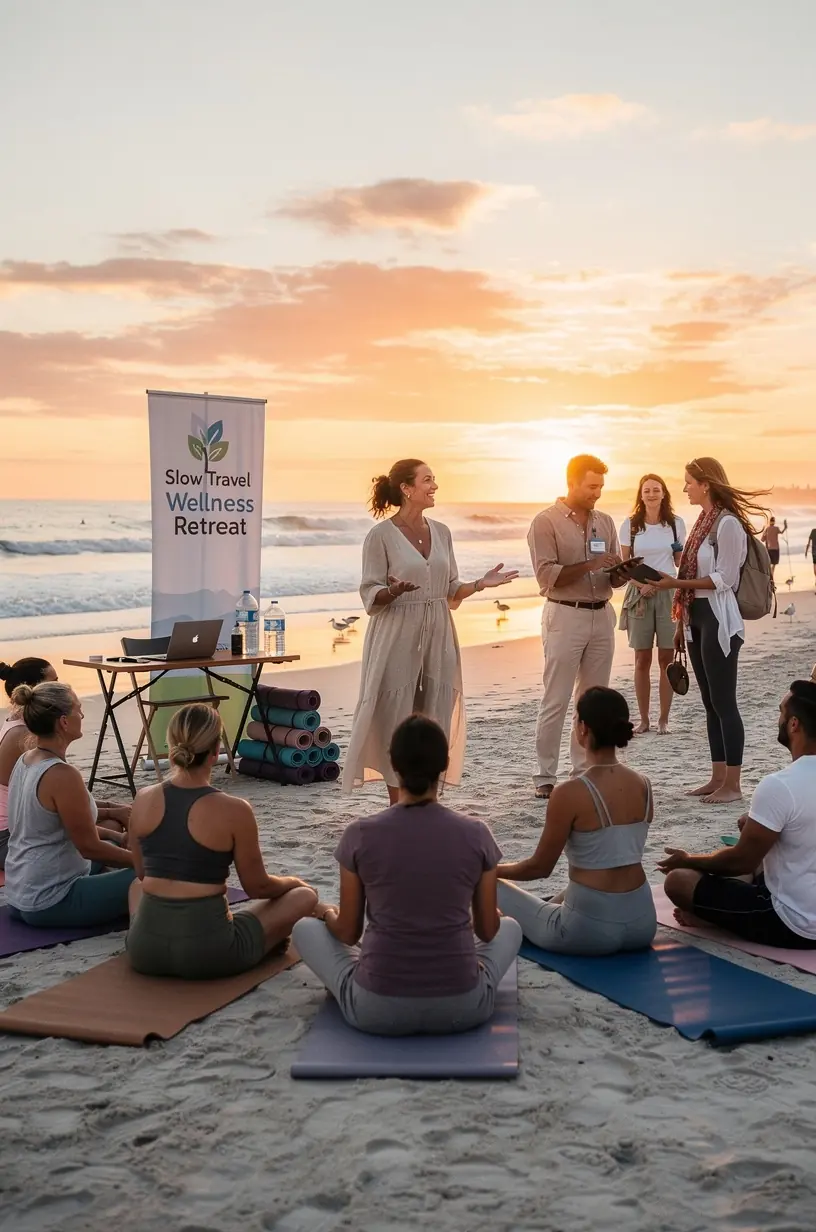
The Impact of Slow Travel on Mental Well-Being
In an increasingly fast-paced world, the concept of slow travel offers an alternative that can significantly enhance mental well-being. By prioritizing in-person planning, long-stay itineraries, and low-stimulation experiences across Europe, slow travel may provide a more restorative and enriching journey.
Understanding the Basics of Slow Travel
Slow travel emphasizes the quality of travel experiences over quantity, encouraging travelers to immerse themselves fully in their destinations. According to research, this approach can lead to improved mental health outcomes. Studies indicate that spending more time in one location allows individuals to develop deeper connections with the local culture and community, resulting in a more meaningful travel experience.
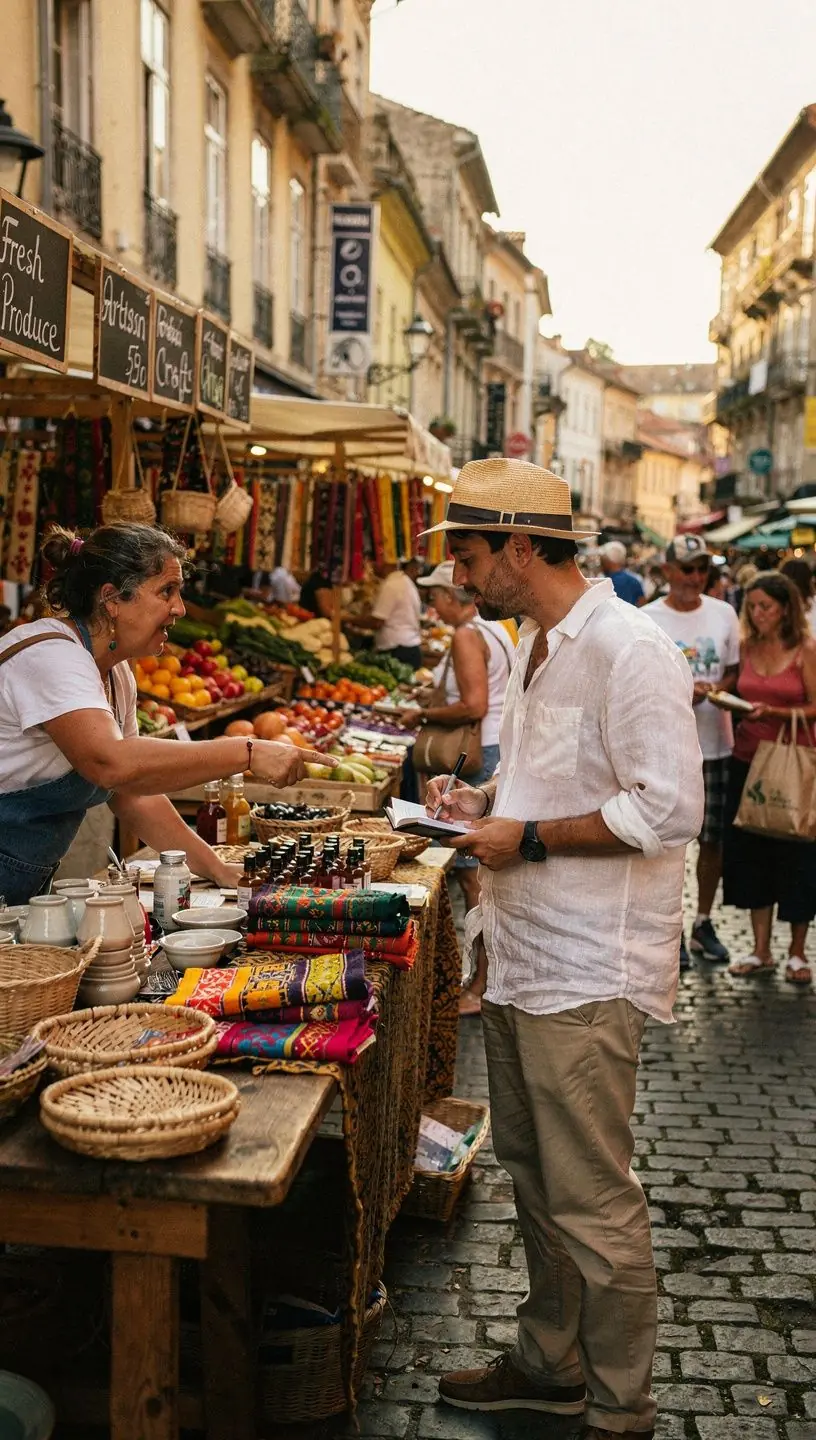
"Traveling slower allows for the opportunity to engage with the surroundings more thoughtfully, reducing stress and fostering a sense of presence." - Travel Psychology Expert
The Benefits of Slow Travel on Mental Well-Being
Incorporating slow travel into your itinerary can have profound effects on mental well-being:
- Reduced Stress Levels: Engaging in low-stimulation travel experiences, such as nature retreats or quiet towns, can help lower stress levels. Experts often recommend spending time in tranquil environments, where the pace of life encourages relaxation.
- Increased Mindfulness: Slow travel encourages mindfulness, allowing travelers to appreciate small details and experiences. Research shows that practicing mindfulness can lead to greater satisfaction and happiness.
- Enhanced Emotional Resilience: By stepping away from the hustle and bustle of everyday life, travelers often report feeling more resilient and better equipped to handle stress. This is supported by studies that show that immersive experiences in different cultures can enhance emotional strength.
Practical Application of Slow Travel Principles
To fully leverage the benefits of slow travel, consider these practical steps:
- Plan for Longer Stays: Aim for itineraries that allow for extended periods in one location, typically ranging from a week to a month. This gives you time to explore and engage with the local community.
- Prioritize Local Experiences: Seek out activities that promote connection with locals, such as cooking classes, guided walks, or community events. These experiences often lead to greater satisfaction and meaningful interactions.
- Limit Your Itinerary: Instead of trying to see multiple cities in a week, focus on one or two destinations. This approach allows for more in-depth exploration and less rush, which can enhance your overall travel experience.
Challenges and Considerations
While slow travel offers many benefits, it is essential to acknowledge some limitations:
- Time Commitment: Slow travel typically requires a longer time commitment than conventional travel. It often involves planning trips several months in advance to secure accommodations and experiences.
- Requires Flexibility: Adopting a slow travel mindset involves embracing spontaneity and flexibility, which may not be suitable for all travelers, especially those who prefer strict schedules.
- Effort in Planning: In-person travel planning can be time-consuming and requires effort to ensure a fulfilling experience. Many travelers benefit from working with agencies that specialize in slow travel.
Conclusion
Slow travel can provide an effective approach to improving mental well-being, offering an antidote to the stress often associated with traditional travel. By allowing for deeper engagement with destinations and promoting mindfulness, slow travel can foster a greater sense of fulfillment and emotional resilience. While it may not be suitable for everyone, those willing to embrace its principles may find themselves significantly enriched by the experience.
Learn More