How to Plan a Relaxing Travel Experience
In today's fast-paced world, many travelers seek out opportunities for relaxation during their journeys. By embracing the principles of slow travel, you can create a travel experience that is both fulfilling and rejuvenating. This article explores effective strategies for planning a low-stimulation travel itinerary across Europe.
Understanding the Slow Travel Philosophy
Slow travel is typically characterized by a focus on quality over quantity, encouraging travelers to immerse themselves in their surroundings. According to industry experts, this approach can lead to deeper connections with destinations, cultures, and people, enhancing overall satisfaction.
"Slow travel allows you to experience a place like a local, fostering genuine interactions and lasting memories." - Travel Expert
Key Strategies for Relaxed Travel Planning
When planning a low-stimulation travel experience, consider the following strategies:
- Choose Destinations Wisely: Select locations known for their peaceful environments, such as quaint villages or natural retreats. Research indicates that spending time in serene surroundings can significantly reduce stress levels.
- Limit Travel Times: Opt for fewer locations to reduce the stress of constant movement. Experts recommend staying at each destination for at least four to seven days to fully embrace the local culture.
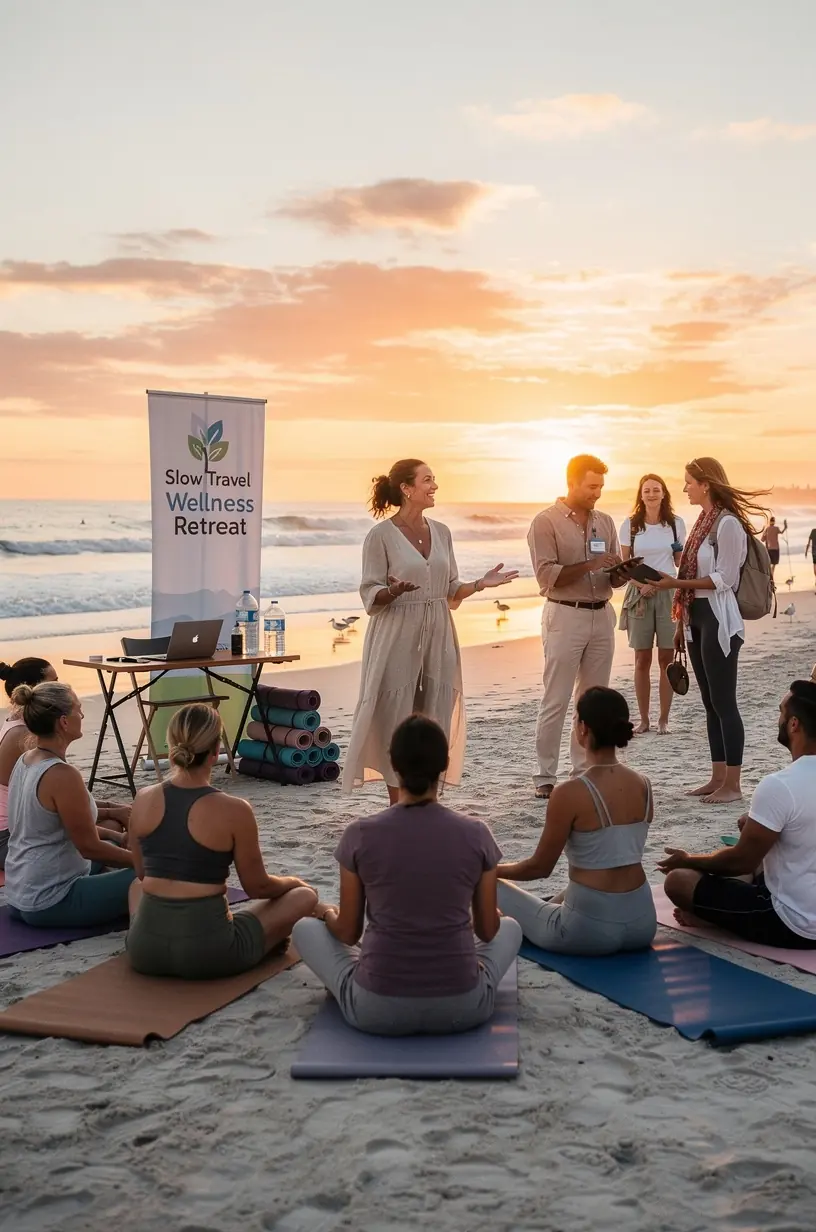
- Incorporate Leisure Activities: Plan activities that promote relaxation, such as nature walks, yoga classes, or cooking workshops. Engaging in these activities can improve mental well-being and enhance your travel experience.
Utilizing In-Person Planning Services
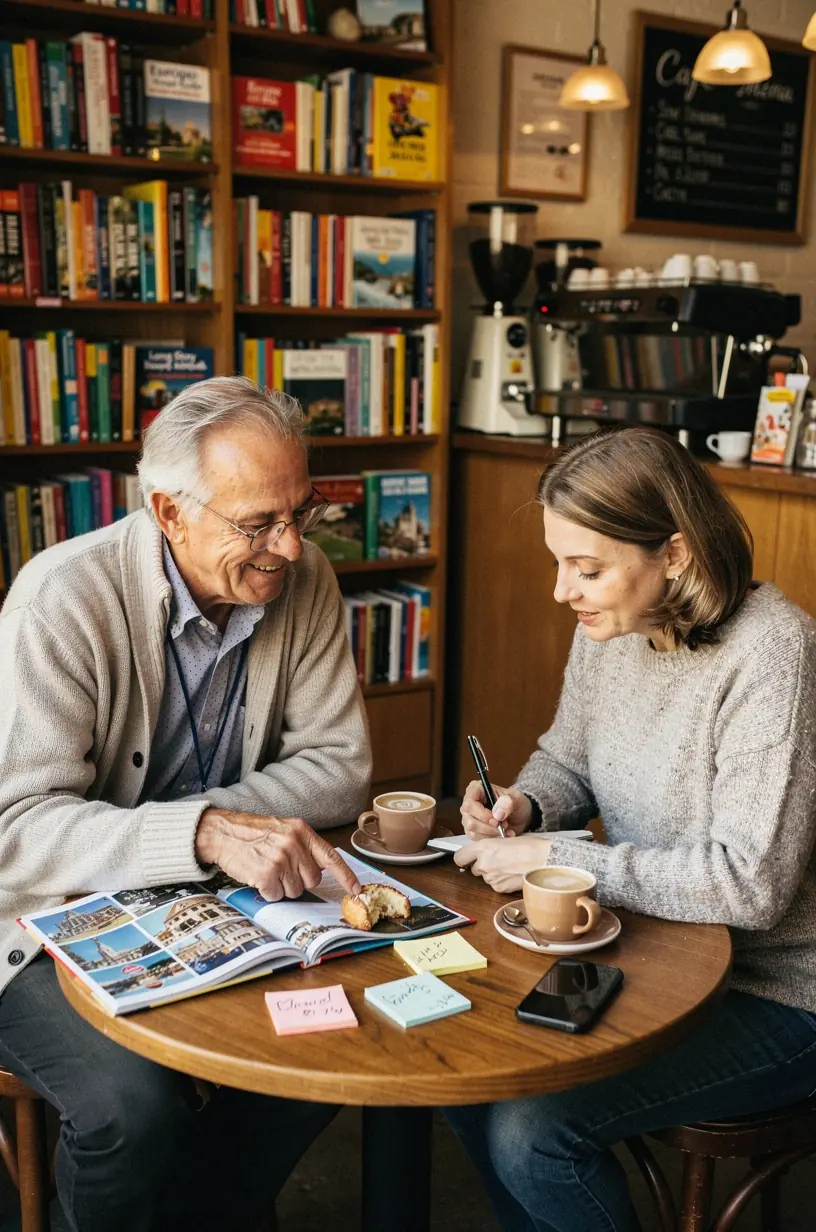
Many travelers find that working with a travel agency specializing in slow travel can enhance the planning process. These agencies offer personalized itineraries that cater to your individual preferences and pace.
Typically, these services involve:
- Initial Consultation: Discuss your travel goals, preferred destinations, and activity levels.
- Custom Itinerary Development: Agencies create a tailored plan that emphasizes relaxation and enjoyment.
- Ongoing Support: Many agencies provide assistance during your trip, which can relieve stress and allow you to focus on enjoying your experience.
Acknowledging Limitations
While planning for a relaxing travel experience can be incredibly rewarding, it is important to acknowledge potential challenges. Creating a truly low-stimulation experience may take several weeks of planning, and you may need to dedicate time to research and select the right accommodations and activities. Furthermore, results vary based on individual preferences and adaptability to slower travel methods.
Conclusion
By utilizing the principles of slow travel and employing the strategies outlined above, you can cultivate a travel experience that promotes relaxation and well-being. Remember that the journey is just as important as the destination, and prioritizing your personal comfort can lead to a more fulfilling and enriching experience in Europe.