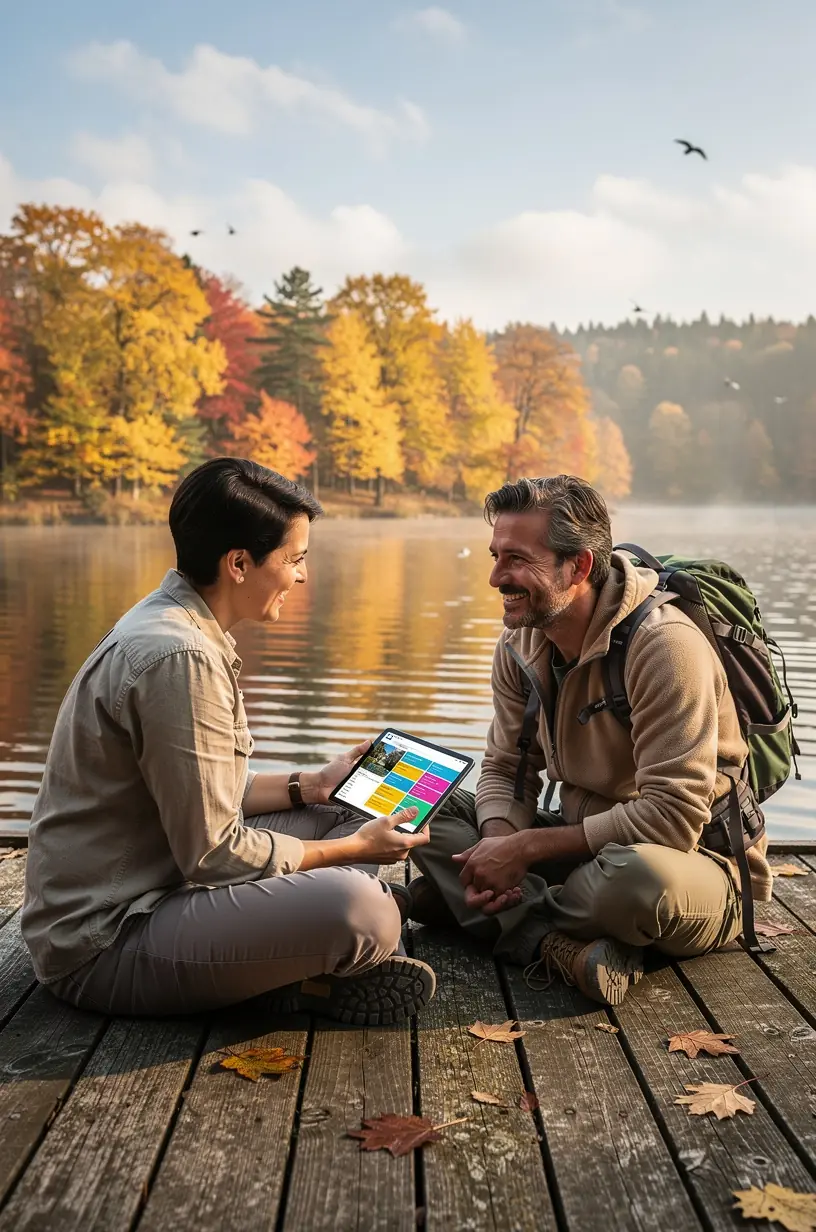
Understanding the Slow Travel Movement in Europe
The Slow Travel Movement has gained traction across Europe, emphasizing meaningful connections and immersive experiences. This article unpacks the principles of slow travel and how it can enhance your journey while exploring Europe.
What is Slow Travel?
Slow travel is a philosophy that encourages travelers to savor their experiences, focusing on quality over quantity. According to industry experts, this approach typically involves spending more time in fewer destinations, fostering a deeper understanding of local culture and environment. Studies show that engaging with local customs and communities can significantly enhance the travel experience.
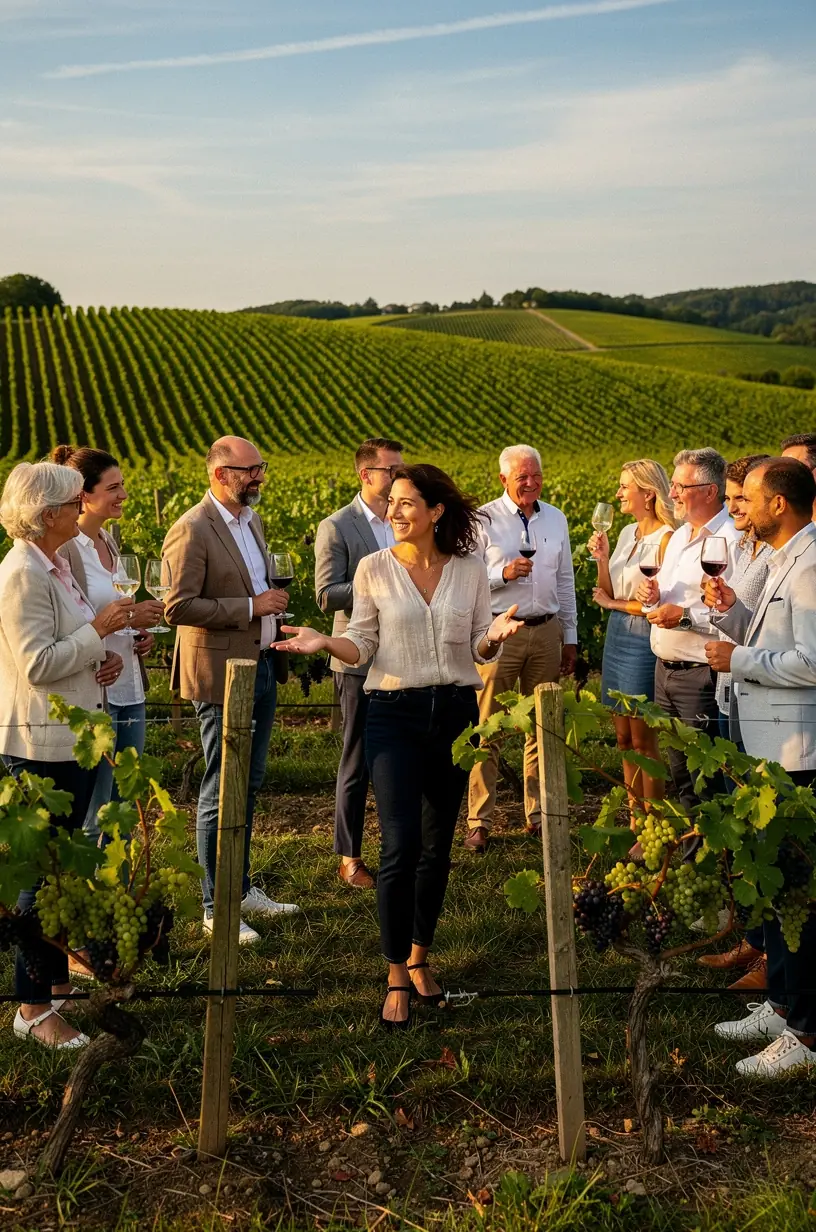
"Traveling slowly allows for authentic experiences, offering a richer understanding of the places we visit."
Key Principles of Slow Travel
- In-Person Planning: Many users report that working directly with travel agencies specializing in slow travel can result in personalized itineraries that cater to individual interests and pace.
- Long-Stay Itineraries: Experts recommend spending extended periods in a single location. This approach not only reduces travel fatigue but also allows travelers to build relationships with local residents.
- Low-Stimulation Experiences: In most cases, slow travel encourages avoiding crowded tourist hotspots, opting instead for tranquil settings that enhance relaxation and reflection.
How Slow Travel Works
The slow travel methodology is built on the idea that travel should be a restorative and enriching experience. This works because travelers can immerse themselves in the culture and environment, leading to more meaningful interactions. The principle behind this is that genuine engagement with places and people can create lasting memories.
The Impact of Slow Travel
Research indicates that slow travel can lead to higher satisfaction levels among travelers. A study published in the Journal of Travel Research highlighted that travelers who engage deeply with their surroundings report lower stress levels and increased happiness during their trips.
Considerations and Limitations
While the slow travel approach has many benefits, it typically requires a commitment of time and effort. Planning a trip that embraces this philosophy may take 2-4 weeks, depending on the complexity of the itinerary. Additionally, slow travel may not suit those looking for quick getaways or intensive sightseeing schedules.
Conclusion
In conclusion, the Slow Travel Movement offers a refreshing alternative to typical fast-paced tourism, emphasizing quality experiences over quantity. By prioritizing in-person planning, long stays, and low-stimulation environments, travelers can cultivate a deeper appreciation for the diverse cultures across Europe. As you consider your next adventure, keep in mind that embracing a slower pace can lead to richer and more fulfilling travel experiences.